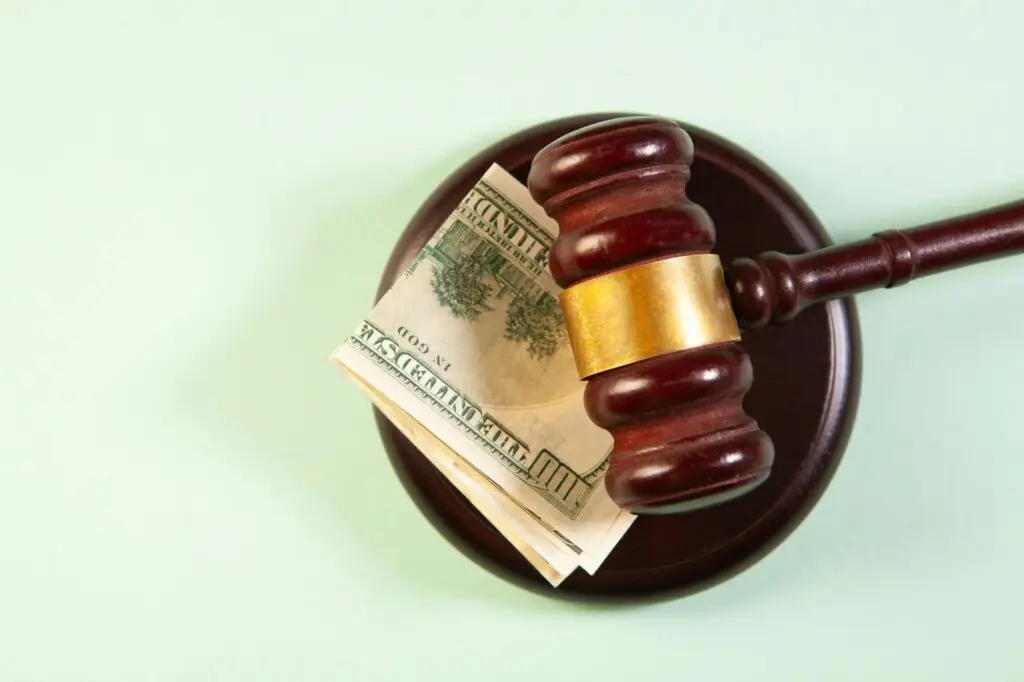
Who sets bail? In the United States, bail is typically set by a judge or magistrate during an early court appearance, using legal guidelines and discretion to determine whether a defendant can be released before trial and under what conditions. The decision is influenced by factors such as the seriousness of the charge, prior criminal history, and the likelihood that the defendant will return to court.
According to the Prison Policy Initiative, nearly half of the people held in local jails nationwide are detained pretrial, often because they can’t afford bail. That reality raises an important question: how does a single bail decision so dramatically affect a person’s freedom? Today, we’re taking a closer look at who sets bail, how court bail procedures work, and what actually influences these high-stakes decisions long before a trial ever begins.
What Does $100,000 Bail Mean?
A $100,000 bail amount often sounds overwhelming, yet it doesn’t always mean someone must pay that full amount to leave jail. It represents the financial value the court assigns to a defendant’s promise to return for future court dates during the bail process.
There are three main ideas tied to a $100,000 bail amount:
- Full bail versus bond payments
- Financial responsibility tied to release
- Court expectations during pretrial release
Full Bail Versus Bond Payments
When a court sets bail at $100,000, paying the full amount in cash remains one option. Many people turn to a bail bond instead, which often requires a smaller payment, commonly around ten percent.
The bond company then covers the remaining amount while charging a nonrefundable fee. Court bail procedures treat both options as valid forms of release.
Financial Responsibility Tied to Release
Bail acts as a financial guarantee, not a punishment. The court uses money to encourage court appearances.
If the defendant shows up as required, the bail process ends with the return of any refundable funds. Missing court dates puts that money at risk.
Court Expectations During Pretrial Release
A $100,000 bail signals how the court views bail amount factors like risk and offense severity. Judges expect strict compliance with release rules. Violations can lead to arrest, loss of bail, and tougher conditions moving forward.
Understanding the Bail Process From Arrest to Release
The bail process begins quickly after an arrest and often moves faster than people expect. Each step follows court bail procedures that shape whether someone stays in custody or returns home while a case moves forward.
There are four main stages that affect how release decisions unfold:
- Arrest and booking
- Initial court appearance
- Bail determination
- Release conditions
Arrest and Booking
After an arrest, law enforcement takes the person to a jail or detention center. Officers record personal information, fingerprints, and the alleged charge. Booking places the case into the court system and starts the formal bail process.
Initial Court Appearance
The first court appearance often happens within a short time. A judge or magistrate reviews the charge and confirms the defendant’s identity. Bail hearing insights begin here, even if a full bail hearing happens later.
Bail Determination
At this stage, the court decides whether bail applies and sets an amount or conditions. Some courts rely on schedules, while others make individual assessments. Judges weigh safety, court attendance, and prior history during this step.
Release Conditions
Once bail is satisfied, release follows with rules attached. Courts may require check-ins, travel limits, or no-contact orders. Court bail procedures treat these conditions as binding until the case ends or changes occur.
Who Sets Bail in the U.S. Court System?
Bail decisions come from specific legal authorities within the court system. The answer to who sets bail depends on the court, the charge, and how far the case has moved.
There are three main decision makers involved in bail setting:
- Judges and magistrates
- State and federal courts
- Legal limits on discretion
Judges and Magistrates
Judges and magistrates serve as the primary decision makers in bail. They review charges during early court appearances and decide whether bail applies.
Their authority comes from state laws and court rules. During these hearings, they consider arguments from both sides and rely on bail hearing insights gathered from the case record. Judges control the final call in most situations.
State and Federal Courts
Who sets bail can vary between state and federal systems. State courts handle most criminal cases and follow local court bail procedures.
Federal courts use stricter standards and often rely on detention hearings. Federal magistrate judges handle many early bail decisions under national rules. These differences shape how bail process rules apply across jurisdictions.
Legal Limits on Discretion
Judicial power over bail is not unlimited. Laws, court rules, and constitutional protections place boundaries on decisions. Some states require judges to follow bail schedules for certain offenses.
Others allow more flexibility. Appellate courts can review bail rulings when challenges arise. These limits help balance fairness, public safety, and court attendance expectations.
Decision Makers in Bail and Their Legal Authority
Bail decisions do not come from a single voice in the courtroom. Several legal actors shape how bail amounts and conditions take form under court bail procedures.
There are three key roles that influence bail outcomes:
- Judicial authority
- Prosecutorial input
- Defense and pretrial involvement
Judicial Authority
Judges hold the legal power to set, modify, or deny bail. State laws and court rules grant this authority. Judges apply statutes, constitutional limits, and prior rulings when making decisions.
Bail hearing insights often come from case files, charging documents, and courtroom arguments. Judicial discretion plays a large role, yet it stays bound by legal standards.
Prosecutorial Input
Prosecutors influence bail by presenting concerns about safety and court appearance. They may argue for higher bail or detention based on the alleged offense or prior conduct.
Their role does not include setting bail, yet their recommendations can affect how judges view risk. Decision makers in bail listen closely to these arguments during early hearings.
Defense and Pretrial Involvement
Defense attorneys counter the prosecution by highlighting community ties, employment, and stability. Pretrial services may provide reports that assess risk using structured tools.
These reports can shape conditions of release. While judges decide the outcome, input from defense and pretrial staff often guides how bail takes shape.
Bail Amount Factors Courts Consider
Courts rely on several measurable factors when setting bail. Each factor helps judges decide how much financial pressure is needed to support court attendance while protecting the public during the bail process.
There are four primary bail amount factors courts review:
- Severity of the alleged offense
- Criminal history and court record
- Community ties and stability
- Risk to public safety
Severity of the Alleged Offense
The charge itself carries significant weight. Violent offenses or serious felonies often lead to higher bail amounts.
Judges view these cases as higher risk within court bail procedures. Lower-level offenses tend to bring lower bail or nonfinancial release options.
Criminal History and Court Record
A person’s past interactions with the justice system matter. Prior convictions, probation violations, or missed court dates raise concerns.
Judges review records closely during bail hearing insights. A clean history can support lower bail or fewer restrictions.
Community Ties and Stability
Judges look at how rooted someone is in the community. Employment, family connections, and length of residence all shape bail decisions.
Strong ties suggest a higher chance of returning to court. Weak ties may point toward higher bail.
Risk to Public Safety
Courts assess whether release could place others at risk. Judges consider allegations of violence, threats, or repeat behavior.
Public safety concerns often push bail higher or lead to detention. These evaluations remain central to decision makers in bail across jurisdictions.
How Bail Hearings Work and What Influences Outcomes
Bail hearings move quickly and often shape the entire bail process. Judges rely on limited time and focused information to decide release terms during these early court events.
There are four main elements that influence bail hearing outcomes:
- Structure of the hearing
- Information presented to the court
- Time pressure and scheduling
- Type of ruling issued
Structure of the Hearing
Bail hearings usually happen shortly after arrest. The judge calls the case, confirms identities, and states the charges.
Both sides receive brief chances to speak. Decision makers in bail expect concise arguments that stay focused on risk and release conditions.
Information Presented to the Court
Judges rely on arrest reports, charging documents, and criminal history summaries. Prosecutors highlight safety concerns or prior failures to appear.
Defense attorneys focus on stability, employment, and community ties. Bail hearing insights often come from pretrial reports prepared before the hearing.
Time Pressure and Scheduling
Courts handle many cases in a short window. Judges must make decisions with limited detail.
Speed plays a major role in court bail procedures. Fast rulings help courts manage caseloads, though they limit deeper review.
Type of Ruling Issued
Some judges announce bail decisions from the bench. Others issue brief written orders later the same day.
Rulings may include financial bail, release conditions, or detention. Each outcome sets the tone for how the case moves forward.
Frequently Asked Questions
Can Bail Be Changed After It Is Initially Set?
Courts can revisit bail after the first decision. Defense attorneys may request a review if new facts arise, such as updated employment details or corrected criminal records.
Prosecutors may ask for changes if new charges appear. Judges review these requests during follow-up hearings.
Bail hearing insights often shape whether a judge lowers, raises, or keeps the same amount. The bail process allows flexibility when circumstances shift early in a case.
What Happens If Someone Cannot Afford Bail?
When bail exceeds someone’s financial reach, detention often continues. Courts may offer nonfinancial release options, including supervised release or reporting requirements.
Some jurisdictions allow judges to reconsider bail based on theability to pay. Court bail procedures differ by location, so outcomes vary.
Public defenders often raise affordability concerns during later hearings. These steps aim to balance fairness with court attendance goals.
How Does Bail Differ in Federal Versus State Courts?
Federal and state courts follow different bail frameworks. Federal judges rely heavily on risk assessments and detention hearings.
Release without money appears more often in federal cases. State courts use a wider range of bail schedules and cash bail options.
Who sets bail remains similar across systems, yet standards for detention differ. Decision makers in bail follow separate legal rules in each system.
Are Bail Schedules Legally Binding on Judges?
Bail schedules provide starting points, not final answers. Judges may follow them closely for routine charges.
Many courts allow departures based on case facts. Defense attorneys often argue for lower bail than the schedule suggests.
Judges retain discretion under most laws. Court bail procedures treat schedules as guides rather than strict limits.
What Role Do Pretrial Risk Assessments Play in Bail Decisions?
Pretrial risk tools estimate the chance of missed court dates or rearrest. These tools rely on data points like age, record, and prior court history.
Judges review the results during bail hearings. Bail amount factors may shift based on these scores.
Critics raise concerns about bias, while supporters point to consistency. Courts continue to debate how much weight these tools deserve.
Can Bail Be Denied Entirely?
Courts can deny bail in limited situations. Serious violent charges or repeated failures to appear may lead to detention.
Judges must follow strict legal standards before denying release. Hearings for detention often require detailed findings.
Who sets bail still matters here, as judges control these rulings. The bail process treats detention as an exception rather than the norm.
Help With Orlando Bail
Bail decisions shape freedom, fairness, and public safety long before a trial begins. Knowing who sets bail helps clarify how courts weigh risk, responsibility, and rights. Clear insight into the bail process makes court actions easier to follow and less confusing during stressful legal moments.
At Bail 2 GO, our Orlando community knows us for fast results, flexible options, and round-the-clock support. For more than a decade, we’ve helped families secure quick releases while offering clear guidance and payment plans that ease stress. We focus on speed, transparency, and compassion, using modern tools to improve service while maintaining integrity, professionalism, and a strong commitment to the people we serve.
Get in touch today to find out how we can help with your bail needs!