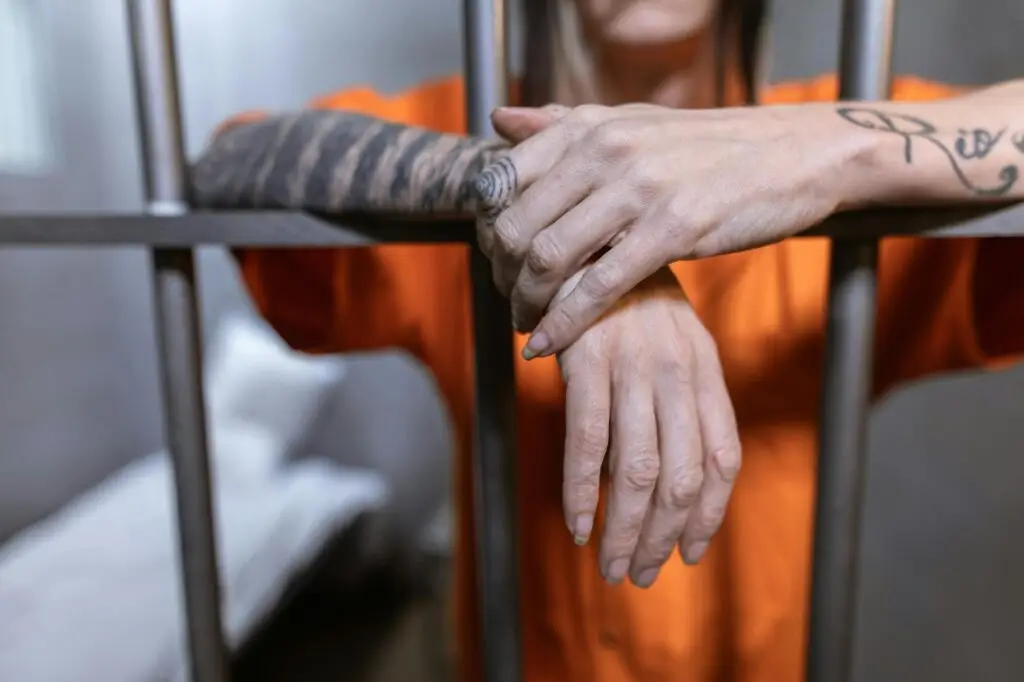
How long does it take to get out of jail after posting bail in Florida? The process usually takes between four and twelve hours. In some cases, release happens sooner, but delays are common due to jail procedures, staffing levels, and required legal checks.
When someone you care about is in jail, every minute feels heavy. Many people expect that once bail is paid, release should happen right away.
In reality, Florida jails follow a detailed system that takes time to complete. Knowing how the process works helps families set realistic expectations and avoid unnecessary stress.
How Long Does It Take to Get Out of Jail After Posting Bail in Florida?
Many families find themselves asking, “How long does it take to get out of jail after posting bail?” In Florida, timing depends heavily on location and jail workload.
After bail is posted, the release process officially begins, but that does not mean the person walks out immediately. Jail staff must complete several required steps before anyone can be released. These steps are designed to prevent errors and protect public safety.
In most Florida counties, jail release timing falls between four and twelve hours once bail is accepted. During slower periods, release may happen faster. During busy booking periods, the wait is often longer.
Why Is Release Not Immediate?
Jails operate under strict procedures that cannot be rushed. Each department must approve the release before the inmate can leave the facility. These steps exist to ensure the right person is released under the correct legal conditions.
Staff must verify identity, confirm payment details, review court orders, and check for outstanding warrants. Even one missing document can slow the process. These safeguards prevent serious legal mistakes.
What Happens During the Posting Bail Process?
The bail posting process begins after booking is complete. Booking includes fingerprints, photographs, and the logging of personal property. Only after this step can bail be accepted.
Once bail is posted, jail staff must confirm the bond amount and verify compliance with court requirements. Internal reviews take place behind the scenes. Each step adds time but reduces risk.
Accuracy matters more than speed inside a jail system.
Understanding Jail Release Timing in Florida
Florida jails follow structured schedules that affect release timing. Staffing levels change throughout the day, which directly impacts how quickly releases are processed.
Many jails pause releases during headcounts and meal periods. These pauses can happen early in the morning and again in the evening. Families are often surprised by these routine delays.
According to Orange County Government, the bond process alone can take up to 12 hours. Releases do not occur during scheduled headcount windows. These operational rules apply to everyone equally.
How County Jails Differ Across Central Florida
Each Florida county manages its jail independently. While procedures are similar statewide, timelines can vary based on facility size and workload. Understanding local differences helps set realistic expectations.
Orange County Jail Release Timeframes
Orange County operates one of the busiest jail systems in Central Florida. High inmate volume often increases processing times. Even routine releases can take several hours.
Releases pause during morning and evening headcounts. These pauses are standard procedure and are not related to the inmate’s case. Planning around these windows can reduce frustration.
Osceola County Jail Release Timeframes
Osceola County reports that release processing usually takes four to six hours once bail is paid. Timing depends on staffing levels and how many inmates are being processed at the same time.
The county explains this clearly on the official Osceola County Corrections page. Delays are often caused by internal verification steps rather than payment issues.
Brevard County Jail Release Timeframes
Brevard County allows bonds to be posted around the clock. However, release still requires several internal approvals that take time to complete.
The Brevard Sheriff explains the process in detail on its jail FAQ page. Multiple departments review each release to ensure accuracy.
Seminole County Jail Release Timeframes
Seminole County release timing depends heavily on court paperwork. Even when a judge orders release, processing cannot begin until written authorization reaches the booking department.
The county outlines the process on the Seminole County Sheriff’s site. Paperwork arrives in batches rather than in order of court appearance.
What Factors Affect Bail Release Speed?
Several factors influence how quickly someone is released from jail. Some elements are predictable, while others depend on daily jail conditions. Understanding these variables helps families prepare.
These factors affecting bail release often explain why timelines vary even within the same county. No two releases move exactly alike.
Jail Population Levels
High inmate volume slows every part of the system. Booking, housing, and release all compete for staff time.
Crowded facilities move more slowly. When jails are full, patience becomes necessary.
Time of Day Bail Is Posted
Bail posted during daytime hours often processes faster. More staff are available, and fewer operational pauses occur. Workflows move more smoothly.
Overnight and early morning postings often take longer. Reduced staffing and scheduled counts slow releases during these periods.
Administrative Workload
Busy days create backlogs even when procedures are followed correctly. Weekends, holidays, and high arrest periods increase internal pressure.
Type of Bond Used
Different bonds follow different procedures. Surety bonds involve additional paperwork that must be reviewed and approved.
Professional handling often shortens the bail bond timeline by reducing errors. Mistakes cause the longest delays.
How a Bail Bondsman Helps Speed the Process
A bail bondsman understands how local jails operate. They know how to submit paperwork correctly and avoid common mistakes. They also track the bond through the system and follow up when delays occur, helping improve the speedy bail release process.
You can learn more by reading what a bail bondsman does. Experience matters when timing is critical.
What Happens Between Bail Payment and Release Approval?
After bail is paid, the jail does not release someone right away. The payment only signals the start of the internal release workflow. Several departments must review and approve the release before the person can leave.
Waiting often feels confusing because families cannot see what is happening. Behind the scenes, jail staff are working through a fixed sequence of checks. Each step must be completed in order.
Verification of Bail and Identity
The jail first confirms that the bail amount matches the court order. Staff verify the defendant’s identity to make sure the correct person is being released.
Even small discrepancies can slow the process. A name mismatch or missing detail may require manual review.
Warrant and Hold Review
Next, the jail checks for outstanding warrants or holds in local and sometimes statewide databases. Any active issue pauses the release.
If a hold is found, staff must resolve it before moving forward, adding hours to the timeline.
Property Return and Final Clearance
Once legal checks are complete, the inmate’s personal property is retrieved. Items are verified and signed for before release.
Final clearance is then issued by a supervising officer. Only after approval can the person exit the facility. Most delays happen during verification.
How Court Schedules Influence Jail Release Timing
Court schedules play a major role in how quickly a jail can release someone. Even when bail is posted, the jail may still be waiting on court authorization.
Judges issue release orders, but jails cannot act on them until official paperwork arrives. That paperwork moves on court schedules, not jail schedules.
If the defendant had a recent court appearance, the release process may not start right away. Clerks often send paperwork in batches rather than instantly, which can create long pauses even when everything else is ready.
Court hours also play a role. Paperwork may not be processed overnight or during holidays. When courts reopen, jails then begin working through the backlog.
Common Reasons Bail Release Gets Delayed in Florida
Bail delays are more common than most families expect. In many cases, nothing has gone wrong. The jail is simply working through routine issues that slow the release process.
Most issues are procedural and are resolved without any action from the defendant. Some of the most common reasons bail release gets delayed in Florida include:
- High booking volume that overwhelms jail staff
- Shift changes that pause release processing
- Scheduled headcounts or meal periods
- Manual review caused by minor record discrepancies
- Outstanding warrants or administrative holds
Even when bail is posted correctly, jails must follow internal workflows. Staff cannot skip steps to move faster. Safety and accuracy take priority over speed.
Delays also happen when multiple departments need to sign off on the release. If one department is backed up, the entire process slows down.
The release typically moves forward shortly after these checks are completed.
What Happens When Bail Cannot Be Paid?
Not every defendant qualifies for release. Judges can deny bail based on risk factors. Financial limits also prevent payment in some cases.
When bail cannot be posted, the defendant remains in custody while the case moves forward. Court hearings determine the next steps.
Florida explains these outcomes in this guide on unpaid bail. Knowing the alternatives helps families prepare.
Frequently Asked Questions
Does Posting Bail Guarantee Same Day Release?
Posting bail does not guarantee release on the same day. Jails still must complete internal reviews and finalize paperwork before release can occur. If bail is posted late at night or close to scheduled headcounts, release may be delayed until the next processing window.
Same-day release is common but not guaranteed. Jail activity and staffing levels play a large role in how quickly the process moves.
Why Do Some People Get Released Faster Than Others?
Release speed often depends on how simple the case is. A single charge with no prior holds usually clears faster than cases involving multiple charges or past issues.
Timing also matters. Bail posted during normal business hours often moves faster than bail posted overnight or during peak intake periods.
Can a Jail Delay Release Even After Bail Is Accepted?
Yes. Accepting bail only confirms payment. The jail must still complete identity verification and legal checks before release.
These steps prevent serious errors and protect public safety. Delays are procedural rather than punitive.
Does the Type of Charge Affect Release Time?
More serious charges often require additional review. Felony cases may involve extra conditions that slow processing.
Misdemeanor cases tend to move faster when no judge review is required. Each charge level follows different internal rules.
What Happens If the Jail Finds Another Issue During Release?
If a warrant or paperwork issue is discovered, the release process stops immediately. The inmate returns to housing until the issue is resolved. These checks ensure that releases are lawful and final.
Can Someone Be Released Without Being Picked Up?
Some jails release individuals directly to the street, while others require transportation arrangements. Policies vary by facility.
Planning transportation ahead of time helps prevent delays and confusion after release.
Does Using a Bail Bondsman Reduce Stress for Families?
Many families find that it does. A bondsman explains what is happening during long waits and provides updates when possible.
Having guidance reduces uncertainty and helps families feel supported throughout the process.
What Should Families Expect Emotionally During the Wait?
The waiting period often feels longer than it is. Stress comes from uncertainty rather than inactivity.
Understanding that delays are routine helps families stay calm. Most releases move forward steadily, even when progress is not visible.
Fast Help When Timing Matters Most
It is common to ask, “How long does it take to get out of jail after posting bail?” when someone is waiting for release. The answer usually depends on the jail’s release process, the time bail is posted, and whether any additional checks are required.
Bail 2 GO stands apart by offering online bail from home, real-time tracking, and decades of local expertise across Central Florida. Their proximity to local jails and familiarity with county procedures help reduce avoidable delays.
With multilingual agents available around the clock and flexible payment options, Bail 2 GO removes confusion during stressful moments. If you need clear answers and fast action when time matters most, contact us to start the process right away.