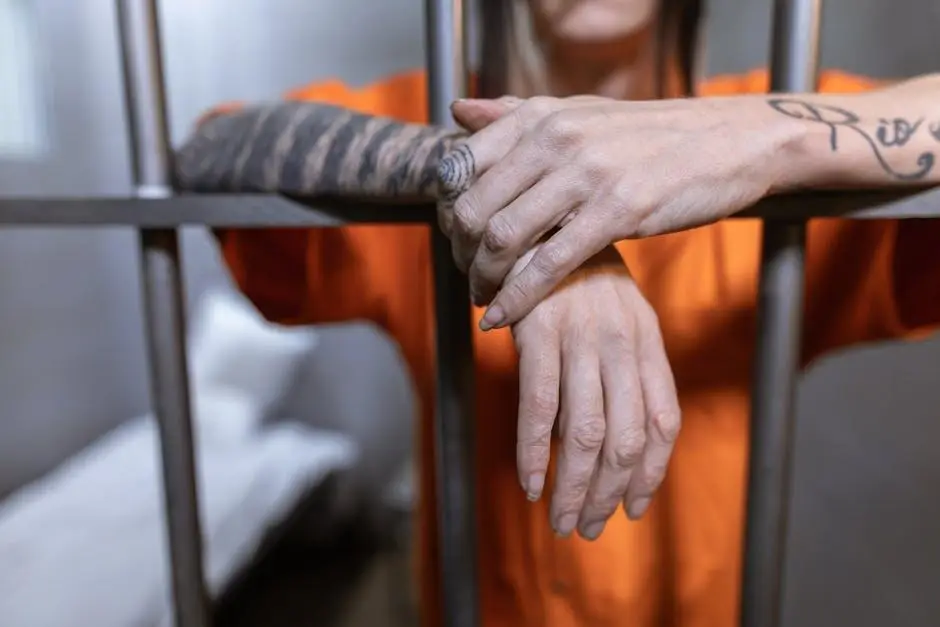
How much is bail for assault? Bail typically ranges from a few hundred dollars for a misdemeanor to over $50,000 for aggravated felony charges. The exact amount depends on charge severity, criminal history, and the jurisdiction where the arrest occurred. In Florida, aggravated assault bail often falls between $5,000 and $15,000, while a first-degree misdemeanor assault may start around $500.
According to the Prison Policy Initiative, the median bail amount for felony defendants has reached $10,000 in many states, roughly eight months of income for those who can’t make bail. When that call comes in from a county jail, that number stops being abstract. This guide covers everything that drives those figures and what to do next.
Simple vs. Aggravated Assault: Why the Difference Matters
The type of charge filed against a defendant plays a very large role in shaping assault charges’ bail. Simple assault and aggravated assault sit at opposite ends of the legal spectrum, and courts treat them quite differently.
Simple assault typically involves threatening behavior or minor physical contact without a weapon. Most states classify it as a misdemeanor, which usually means lower bail amounts and a more predictable legal process for families trying to plan their next steps.
Aggravated assault is a significantly more serious charge. It often involves a weapon, an intent to cause serious bodily harm, or an attack on a protected individual, such as a law enforcement officer or a minor. Courts classify most aggravated assault cases as felonies, and bail reflects that severity directly.
Domestic violence charges add yet another layer to the picture. An assault that occurs between family members or intimate partners can carry additional restrictions, including mandatory no-contact orders that a judge attaches to bail conditions. These orders can, in fact, delay or complicate release even after bail has already been paid.
The financial gap between a misdemeanor and a felony classification can be enormous, sometimes tens of thousands of dollars.
How Much Is Bail for Assault?
Bail amounts for assault vary significantly by charge type and by state. General national ranges provide a useful starting point, though actual figures depend on the specific details of each case.
For simple misdemeanor assault, bail typically falls somewhere between a few hundred and a few thousand dollars. Felony assault charges tend to start around $10,000 and can rise well past $50,000 for the most serious cases.
A first-degree misdemeanor assault in Florida may carry bail of around $500. A third-degree felony can fall in the $1,500 to $2,500 range.
These numbers serve as reference points, not guaranteed amounts. A judge retains fairly significant discretion at the bail hearing, and factors like prior criminal record and flight risk can move the final figure in either direction. First-time offenders charged with minor, non-injury assault sometimes get released on their own recognizance, which means no cash bail at all.
What Factors Determine How Bail Is Set for Assault Charges?
No two assault cases are exactly alike, and courts use a defined set of factors affecting bail to weigh the risks and circumstances of each individual situation. Judges look at the full picture before setting a number, and several elements carry more weight than others.
Severity of the Charge
The more serious the charge, the higher bail tends to be. A misdemeanor assault typically results in a much lower bail figure than a felony involving a weapon or significant bodily injury. Cases with aggravating elements, such as the use of a firearm, raise considerably more concern for the court.
Criminal History
A defendant’s past record carries real weight in the bail decision. Prior convictions, previous arrests, or a history of missed court dates can all push bail higher. Courts view repeat offenders as a greater risk, and that risk gets priced directly into the bail amount.
Flight Risk
If a court believes a defendant might leave the area to avoid trial, bail goes up. Lack of local ties, a history of evading law enforcement, or strong connections outside the country can all raise serious concerns about whether a defendant will return to face the court.
In some cases, a court may set a very high bail amount specifically to reduce that risk.
Community Ties and Employment
Stable community ties tend to work in a defendant’s favor at the bail hearing. Judges often consider length of local residence, close family connections, and steady employment as positive signs that someone will return for their court dates. These factors can actually bring the bail amount down in cases where the charge is less severe.
Risk to Public Safety
Cases involving domestic violence, repeated threats, or serious physical injury signal a higher risk to the public or to the victim specifically. In those situations, courts may attach conditions like no-contact orders, GPS monitoring, or travel restrictions alongside the bail amount.
Financial Ability To Pay
Some courts factor in a defendant’s financial situation when setting bail. A very high bail amount that the defendant clearly cannot meet sometimes leads a defense attorney to file a motion for a bail reduction hearing, so this option is worth knowing about.
Beyond the financial requirement, courts can attach a range of conditions to a defendant’s release. Here are some that come up fairly often in assault cases:
- Electronic monitoring to track a defendant’s location around the clock
- Mandatory check-ins with a pretrial services officer on a fixed schedule
- Surrender of a passport to prevent international travel
- A prohibition from contacting the alleged victim or any witnesses in the case
Bail for Assault in Florida
Florida has its own approach to setting bail, and the process can look a bit different from other states. After an arrest, a judge typically sets bail at a first appearance hearing, which usually takes place within 24 hours of booking.
Judges in Florida weigh several case-specific factors at that first hearing. Charge severity, prior criminal history, community ties, and the level of risk to the public or the victim all come into play. For assault-related cases, domestic violence allegations can complicate the timeline and sometimes result in a hold until that hearing takes place.
Florida counties use preset bond schedules, so the same charge can actually carry a different starting amount depending on where the arrest occurred. A case filed in Orange County may come with a different figure than the same charge in a neighboring county. That variation makes it fairly important to connect with a local bail assistance service that knows how specific counties operate and what to expect at first appearance.
Some serious assault charges in Florida can result in no bond at all until the first appearance hearing. Judges in the state have the authority to attach conditions to a release, including no-contact orders, travel limits, and GPS monitoring.
Knowing the local process can make a real difference in how quickly a family is able to respond. A bail bond agency located directly across from the Orlando Jail, like Bail 2 GO, can reach the right contacts faster and help move the release process along without the delays a more distant agency might face.
How a Bail Bondsman Can Help When You Can’t Pay the Full Amount
Most families simply don’t have $10,000 to $50,000 in cash readily available. A bail bondsman offers a practical way to secure a loved one’s release without paying the full bail amount up front. Having a clear bail process guide at hand from the very first phone call can make the whole experience far less stressful.
A bail bond works by having a licensed bondsman post the full bail amount on the defendant’s behalf. The family or co-signer then pays a premium, typically 10% of the total bail, directly to the bondsman. In Florida, that rate is set by the Florida Department of Insurance and is non-refundable, regardless of how the case plays out.
For instance, if a judge sets bail at $20,000, the out-of-pocket cost through a bondsman would be just $2,000. That’s a very significant difference for a family facing a sudden legal situation with little time to plan ahead.
A co-signer takes on legal responsibility by signing the bail bond agreement. If the defendant misses a court date, the co-signer becomes liable for the full bail amount. Collateral, such as property or a vehicle, can come into play for higher-bail cases as a way to secure the bond.
Here are some options that bondsmen typically offer to make the process more accessible:
- Flexible payment plans to spread the premium cost over time
- Phone-based processing so the bail process can start without an in-person visit
- Mobile agent services for families who cannot travel to a bondsman’s office
- Credit card acceptance for faster payment and quicker processing
Frequently Asked Questions
Can Bail Be Denied for an Assault Charge?
Yes, a judge can deny bail entirely in certain assault cases. This typically happens when the court considers a defendant a serious flight risk or a clear danger to the public or to a specific victim.
In Florida, some violent assault charges can result in the defendant being held without bond until the first appearance hearing. Domestic violence cases, repeat offenders, and situations involving weapons tend to draw the most scrutiny from judges weighing whether to grant or deny bail.
Does Bail Change if the Assault Charge Is Upgraded or Downgraded?
Bail can absolutely change if the charge level shifts after the initial hearing. If new evidence causes the prosecution to upgrade a simple assault charge to aggravated assault, the court can revisit the bail amount and raise it accordingly.
The reverse is also true. A charge reduction can give a defense attorney valid grounds to file a motion for a bail reduction hearing. Courts don’t automatically adjust bail when charges change, so filing that motion is actually a necessary step rather than an automatic outcome.
What Happens if the Defendant Can’t Afford Bail at All?
A defendant who cannot meet bail stays in custody until the case resolves or until bail changes. That situation can last weeks or even months, depending on how backed up the local court schedule is.
There are a few options worth knowing about. A defense attorney can petition the court for a formal bail reduction hearing, presenting financial information and other factors to argue for a lower amount. In some cases, a judge may agree to release a defendant on recognizance, which requires no payment at all, though that option is far more common for low-level, first-time offenses.
What Is an Own Recognizance Release, and Can Assault Defendants Qualify?
An own recognizance release, sometimes called an OR release, means a defendant is released from custody based solely on a signed promise to appear in court. No cash payment or bond is required. Judges typically reserve this option for defendants with strong community ties, no prior record, and low-level charges.
Qualifying for an OR release on an assault charge is possible, yet it tends to be fairly uncommon outside of minor misdemeanor cases. Any history of missed court dates, a more serious charge classification, or a perceived risk to the victim can make a judge far less likely to grant it.
Can Assault Bail Conditions Be Modified After Release?
Bail conditions can be modified after release, and this happens more often than many people realize. Either the defense or the prosecution can petition the court to adjust the terms of a release.
Common modification requests include lifting or adjusting no-contact orders, changing travel restrictions, or updating check-in requirements with pretrial services. A defense attorney typically handles the motion, and the court schedules a hearing to review the request before making any changes.
Get Your Loved One Home Faster
Bail for assault varies widely based on the charge type, criminal history, flight risk, and jurisdiction. Understanding how much is bail for assault and what shapes that number puts families in a far stronger position to move quickly and confidently.
Bail 2 GO has served Central Florida for over 45 years, with agents available 24/7 from a location directly across from the Orlando Jail. Unlike many agencies, we handle the entire process by phone, offer flexible payment plans, and deploy mobile agents when you can’t come to us. Contact us today because every hour counts, and we’re ready to help cut that time short.