

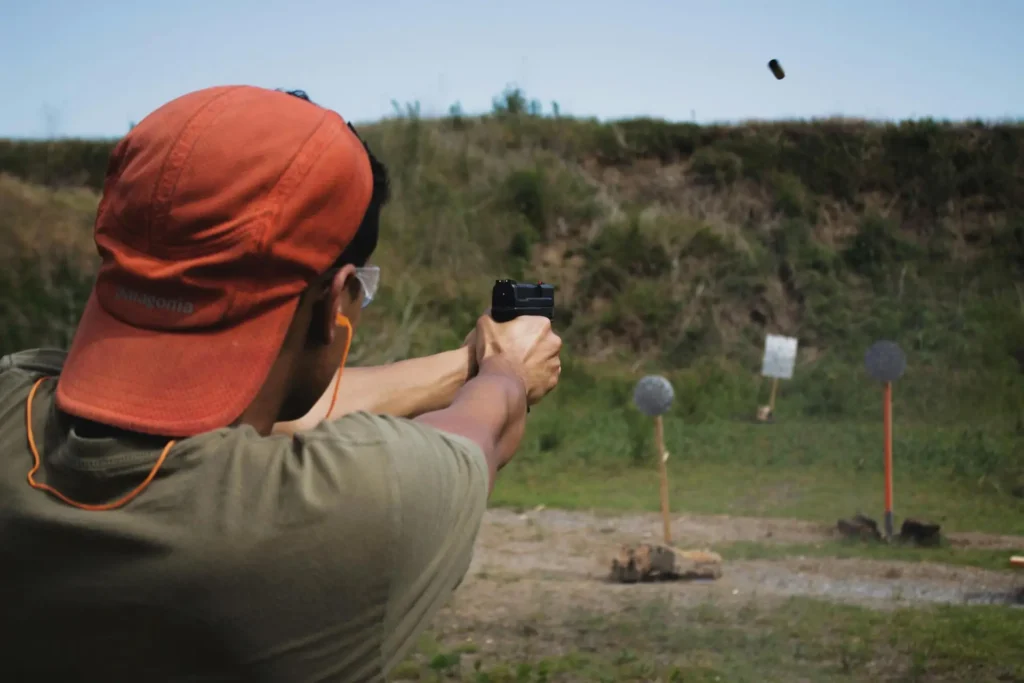
Florida gun laws include required background checks for all purchases from licensed dealers across the state. Age limits for gun ownership generally set 21 years for handgun purchases from licensed dealers. Mandatory waiting periods apply to handgun purchases and can vary based on specific circumstances.
Arrested in Central Florida? Our Orlando office is across the street from the Orange County Jail and our Kissimmee office is 2 minutes from the Osceola County Jail. Our team answers 24/7 at (407) 254-5554.
Penalties for violations can include fines, firearm seizure, and possible criminal charges depending on severity. According to Ammo.com, Florida has an estimated 35.3 firearms for every 100 residents. As a Florida resident, you might plan to purchase a gun or already own one.
Understanding the state’s gun regulations helps you stay informed and avoid legal complications. It can also help you understand what to do when facing gun related charges, including whether you may be eligible for bail and release options.
Does Florida Require Live Fire Training for Permits?
The Florida gun permit process often includes safety courses that teach:
- Handling
- Storage
- Legal awareness
- Firearm safety rules
- Basic shooting fundamentals
Live fire training is required for most applicants applying for a Concealed Weapon or Firearm License in Florida. Applicants demonstrate safe handling and controlled discharge of a firearm under the supervision of a qualified instructor. The step confirms practical ability beyond classroom instruction and written knowledge.
Is Bail Available for Felony Gun Charges in Florida?
Florida firearm regulations guide how courts interpret firearm related offenses and legal consequences. Bail availability for felony firearm related charges depends on the nature of the offense and the court’s evaluation. Some charges may involve higher scrutiny due to public safety concerns.
Judges review several factors before setting bail conditions, including:
- Case details
- Prior records
- Risk factors
- Severity of charges
- Community safety considerations
Judges weigh these factors together when assessing overall risk and responsibility. Strong evidence or repeat offenses can lead to stricter bail conditions in many cases. Each hearing outcome depends on how the court interprets the full situation presented.
How Can Someone Legally Restore Their Expired Gun Rights in Florida?
Gun ownership in Florida is restricted for individuals with certain disqualifying records unless their rights are restored. Restoring firearm rights involves a structured legal review process through state authorities. Petitioners may need:
- Documentation
- Background checks
- Formal approval from the relevant boards
- Proof of completed sentencing requirements
- Evidence of rehabilitation or good conduct over time
These requirements help support the review process. Legal pathways differ depending on the severity of past offenses. Successful restoration can reopen access to lawful firearm possession.
What Factors Determine Bail Amounts for Florida Gun Charges?
Bail amounts for firearm related charges depend on:
- Severity
- Criminal history
- Potential flight risk
- Nature of the alleged offense
- Public safety considerations
Courts also consider whether the firearm was used during another alleged offense. Financial conditions and community ties may also affect judicial decisions. Raising bail money can feel overwhelming during stressful legal situations.
Luckily, companies like Bail 2 GO can help you secure a fast and reliable bail solution. Our team can guide you through the process with clear support at each step. With our assistance, you can secure release from jail on bail more efficiently while focusing on your legal case.
Florida Gun Laws Explained
Understanding Florida’s gun laws can help you navigate daily legal decisions more confidently. It can also reduce confusion regarding purchasing, carrying, and storing firearms across different situations. You gain a clearer awareness of legal risks and responsibilities when interacting with firearms.
Required Background Checks
Background checks review:
- Criminal history
- Mental health records
- Eligibility status
- Outstanding warrants
- Immigration or legal residency status
These checks determine whether you can legally possess a firearm under state and federal law. Approval depends on information pulled from both federal and state databases working together. You usually need valid identification and purchase details from the licensed dealer during the process.
Most checks take only a few minutes, although delays can happen if records require manual review. A failed background check results in a denied purchase. You can dispute errors through official correction channels if the record is inaccurate.
Age Limits for Gun Ownership
Age restrictions apply to firearm purchases depending on weapon type and purchase method. Buyers must be at least 21 years old to purchase a handgun from a licensed dealer in Florida. Long guns can generally be purchased at 18 years old under federal law.
These limits help regulate access while supporting legal compliance standards across various firearm categories. Verification occurs during the purchasing process through licensed dealers using valid identification. Age is verified before any sale is completed to ensure compliance with state and federal regulations.
Mandatory Waiting Periods
Waiting periods primarily apply to handgun purchases in Florida and allow time for required background checks to be completed before ownership transfers. The delay also reduces the risk of errors associated with incomplete or pending record reviews. In most cases, this step adds a short pause between purchase and pickup.
Certain exceptions can apply when valid permits or prior approvals already exist under state rules. Some buyers may qualify for reduced or waived waiting periods based on documented eligibility.
Dealers handle timing and verify compliance before releasing the firearm to the buyer. Processing speed can vary depending on documentation and system checks.
Florida Open Carry Rules
Open carry allows firearm owners to carry a firearm visibly in public rather than keeping it concealed on the body. In Florida, the practice is generally restricted in most public settings, making visible carrying rare in everyday activity. Narrow exceptions may exist in specific, legally defined situations where visibility is permitted under strict conditions.
Law enforcement considers context, intent, and surrounding circumstances when assessing compliance. Most residents prefer concealed carry since it fits daily routines more easily and aligns with broader practical use in public spaces.
Concealed Carry Requirements
Concealed carry in Florida allows you to carry a firearm hidden from public view while going about daily activities. It depends on meeting eligibility standards such as background checks, age requirements, and approved training in certain cases. Permitless carry may apply for qualifying individuals, depending on their legal status.
The focus remains on:
- Keeping the firearm concealed
- Handling it safely
- Maintaining responsible behavior in public settings
- Following legal carrying requirements
- Ensuring proper firearm control at all times
Concealed carry emphasizes careful handling in everyday situations without drawing attention. Many people choose concealed carry because it offers a practical balance between personal protection and discretion.
The “Stand Your Ground” Law
The Stand Your Ground law allows individuals to use force in self defense without a legal duty to retreat in certain situations. It applies when a person reasonably believes they face imminent harm or a serious threat. Courts review evidence such as:
- Witness accounts
- Physical evidence
- Surrounding circumstances
- Audio or video recordings
- Statements from involved parties
Evaluating these factors helps courts understand how the situation unfolded and whether the use of force meets legal justification standards. Each case depends heavily on specific facts and how the situation developed in real time. Outcomes vary based on legal interpretation and context.
Where Guns Are Banned
In Florida, guns are prohibited in locations like:
- Schools
- Courthouses
- Government buildings
- Secure federal facilities
- Airport secure zones
These places often involve high security or sensitive activity. Private businesses may also restrict firearms through posted signs, and enforcement depends on property rules and state law.
Castle Doctrine Basics
The Castle Doctrine supports your right to defend your home from unlawful entry without retreating. It applies when an intruder enters a residence and creates a perceived threat to safety or life. Courts assess whether the use of force was reasonable based on the circumstances at the time.
Legal evaluations often consider intent, level of threat, and actions taken during the incident. Each case is reviewed individually, with outcomes depending on specific facts, evidence, and how events unfolded inside the property.
Out of State License Reciprocity
Florida recognizes concealed carry licenses from certain other states through reciprocity agreements. Visitors can carry a firearm legally if their home state permits meet Florida’s recognition standards. These agreements depend on ongoing updates between states, which can change over time.
Eligibility often depends on factors such as the issuing state’s licensing standards and background check requirements. Checking current reciprocity status helps you avoid accidental violations while traveling. It also helps ensure your permit remains valid under Florida firearm laws during visits or temporary stays.
Penalties for Violations
Violations of firearm laws can lead to:
- Fines
- Loss of firearm rights
- Criminal charges depending on circumstances
- Jail time in more serious cases
- Probation or supervised release requirements
Courts evaluate each case based on available evidence and legal classification to determine appropriate consequences. When facing gun related charges, bail can allow temporary release while the case moves through the legal system. Bail helps you remain out of custody, continue daily responsibilities, and prepare a legal defense with proper representation.
Frequently Asked Questions
How Are Lost or Stolen Firearms Reported in Florida?
Lost or stolen firearms should be reported to local law enforcement as soon as possible. Reports typically include firearm description, serial number, and circumstances surrounding the loss or theft. Police records help track missing weapons and support investigations.
Failure to report can create legal complications if the firearm is later misused. Documentation from the report may also assist insurance claims or future legal inquiries involving ownership verification or recovery efforts.
What Rules Govern Firearm Transfer Between Family Members?
Firearm transfers between family members in Florida often follow standard state and federal transfer rules. Licensed dealers are usually required when transferring firearms across certain categories. Background checks may apply depending on the type of firearm and the relationship involved.
Private transfers still carry responsibility for ensuring legal eligibility. Proper documentation helps confirm lawful ownership transfer and reduces risks of accidental violations during informal exchanges within families or households.
How Does Florida Regulate Ammunition Purchase and Possession?
Florida regulates ammunition purchase with age requirements and federal restrictions that apply to specific individuals. Buyers must meet legal age thresholds when purchasing ammunition from licensed sellers. Certain prohibited persons cannot legally possess or purchase ammunition under state and federal law.
Retailers may require identification during transactions to confirm eligibility. Regulations aim to ensure that ammunition access remains limited to qualified individuals who meet the legal possession requirements under firearm related laws.
What Circumstances Allow Temporary Firearm Confiscation in Florida?
Temporary firearm confiscation can occur during:
- Active investigations
- Arrests
- Court issued protective orders
- Domestic violence incidents
- Search warrant executions
Confiscation can also happen when individuals are considered a legal risk under existing orders. Items remain held until legal review determines whether return is allowed. Courts assess each case based on evidence, risk factors, and compliance with firearm possession laws under Florida regulations.
How Do Temporary Restraining Orders Affect Firearm Ownership?
Temporary restraining orders can restrict firearm possession when courts identify potential safety risks between parties. Individuals subject to these orders may lose access to firearms during the order period. Law enforcement enforces surrender requirements when applicable under court directives.
Courts evaluate evidence and testimony before issuing or extending restrictions. Violating these conditions can result in additional penalties, including criminal charges and extended loss of firearm possession rights under Florida law.
What Conditions Trigger Firearm License Suspension in Florida?
A firearm license suspension in Florida can occur after certain criminal charges or legal violations. Courts may suspend licenses when individuals face domestic violence allegations or protective orders. Convictions involving felonies or prohibited conduct often lead to immediate suspension.
Failure to meet legal eligibility standards can also trigger review and action. Authorities evaluate each case individually based on records, charges, and compliance with state firearm licensing requirements and legal obligations.
Adhere to Florida Gun Laws to Avoid Legal Complications
Understanding Florida gun laws helps you stay compliant with firearm ownership, carrying, and storage rules. These laws regulate background checks, carry permissions, and restricted locations across the state. You also gain clarity on penalties and legal responsibilities tied to firearm use.
Facing gun related charges can feel overwhelming during an already stressful legal situation. At Bail 2 GO, we can help you secure a release from jail on bail across Orlando and the surrounding areas. We have served clients for over 12 years, helping families navigate urgent bail needs with confidence.
We have helped over 11,430 people secure bail using our experience and multistate presence. Reach out today to secure fast, reliable bail support when it matters most.
Related reading
