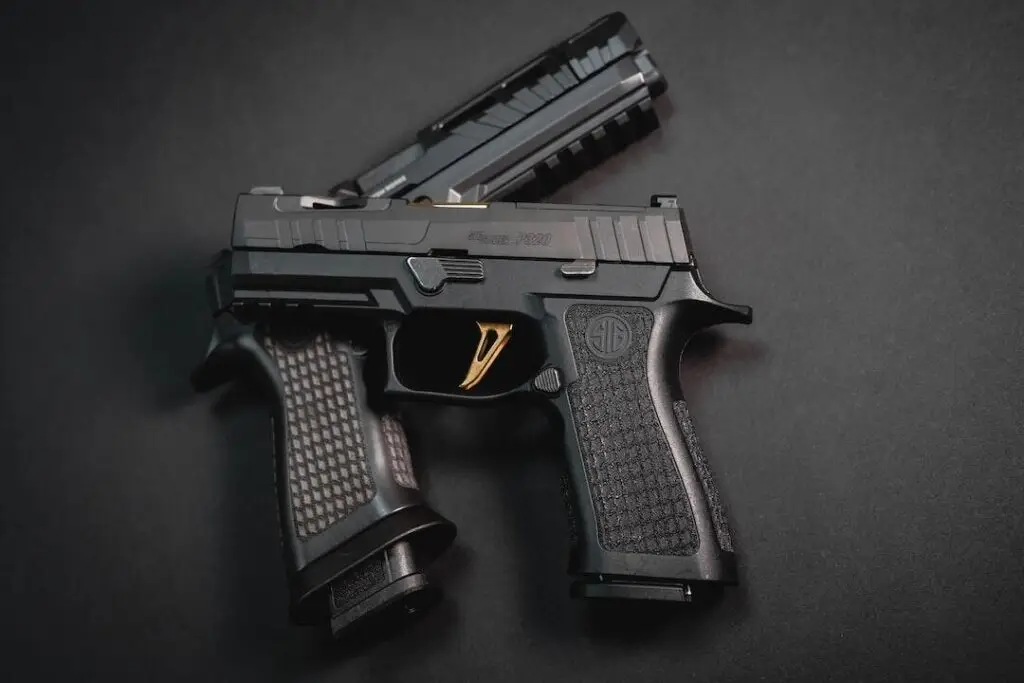
Under the gun laws in Florida, you can legally carry a concealed weapon if you meet the state’s requirements, pass a background check, and obtain a license. You must follow specific legal limits on where you can carry and how a firearm must be secured. You also need to understand when the use of a firearm is justified under state law.
News4Jax reports that roughly 2.377 million Florida residents held concealed-weapons licenses by the end of June 2025. If you intend to join that number, understanding how these requirements apply to real situations is what truly matters.
Most legal issues arise not from intentional violations but from misunderstandings around carry locations, transport rules, and restricted spaces. Getting clarity on these details helps you make confident, lawful decisions without unnecessary risk.
What Are the Basic Gun Laws in Florida?
Florida allows firearm ownership and concealed carry, but the law is structured and specific. Ownership, carry, and use each follow different rules. The legal framework focuses on three core areas, which are:
- Ownership eligibility
- Carry methods
- Restricted locations
State law controls firearm regulation across all cities. Local governments in Kissimmee, Orlando, and Sanford cannot create separate rules. This means your legal obligations remain consistent regardless of where you are in Central Florida.
However, enforcement depends on context. High-traffic and tourist areas often involve stricter scrutiny. It is important to assess your environment before carrying.
Who Can Own a Gun in Florida?
Florida sets specific eligibility requirements for firearm ownership. Age, legal history, and court status all affect eligibility.
You must be at least 21 to purchase from a licensed dealer. Your record is reviewed and verified before approval is granted. Disqualifying factors include:
- Felony convictions
- Domestic violence injunctions
- Mental health adjudications
Florida law disqualifies you even without a criminal conviction in certain cases, such as an active domestic violence injunction. If any of these factors apply to you, purchasing or possessing a firearm exposes you to criminal liability.
Do You Need a Permit to Carry a Gun in Florida?
Florida allows concealed carry without a license if you qualify to own a firearm. This does not remove legal responsibilities tied to carrying.
You must keep the firearm concealed at all times. Visibility can create legal risk depending on the situation.
Carrying also depends on location and behavior. A license may still be useful for:
- Interstate reciprocity
- Streamlined firearm purchases
- Proof of eligibility
Carrying without a license means you carry the full burden of proving eligibility if you are ever stopped or questioned. A Florida Concealed Weapon License removes that uncertainty and extends your carry rights across more than 30 other states.
Gun Purchase Laws and Waiting Periods
You can buy firearms through licensed dealers or private transactions. Dealers must complete a background check before releasing the firearm.
Waiting periods apply to many purchases. The standard period is three days, but it may vary by county.
Some buyers are exempt based on licensing status. Purchase requirements include:
- Valid government identification
- Completed transaction records
- Eligibility verification
Private transactions do not carry a background check requirement under Florida law. However, selling to a prohibited person still exposes you to criminal liability. Knowing your exemption status before purchase saves time and prevents avoidable delays at the point of sale.
Where Can You Legally Carry a Firearm in Florida?
You can carry in many public areas if you meet legal requirements. However, Florida law clearly defines restricted spaces, which include:
- Schools and school grounds
- Courthouses and government buildings
- Polling places
- Bars primarily serving alcohol
Private property owners can also restrict firearms. You must follow posted rules or direct instructions. Violating these limits can lead to charges under Florida firearm regulations.
Open Carry Laws and Exceptions
Open carry is generally prohibited in Florida, and you cannot openly display a firearm in most public settings. Limited exceptions apply during specific outdoor activities, such as:
- Fishing
- Hunting
- Camping
Exposure must remain tied to the activity itself. Using the exception as cover for the general public display crosses a legal boundary under state gun legislation. Repeated or unrelated exposure can result in criminal charges regardless of your licensing status.
When You Can Legally Use a Firearm in Florida
You can use a firearm for self-defense under defined legal conditions. The law allows force when you reasonably believe it is necessary to prevent harm.
Stand Your Ground removes the duty to retreat in certain situations. The Castle Doctrine applies to your home and, in some cases, your vehicle. The legal evaluation focuses on:
- Immediate threat perception
- Reasonable fear standard
- Proportional use of force
Misuse can result in both criminal charges and civil liability. Stand Your Ground is a legal defense invoked after the fact, not a pre-authorization to act. It also does not protect you if you are engaged in criminal activity at the time of the incident.
Penalties for Violating Florida Gun Laws
Violations are taken seriously and carry significant consequences. The severity depends on the type and circumstances of the offense.
Common violations include carrying in restricted areas, unlawful possession, and improper display. Penalties you can expect include:
- Fines and court fees
- Imprisonment
- Loss of firearm rights
- A permanent criminal record
Carrying into a prohibited location is a third-degree felony in Florida, regardless of whether you hold a valid license. Consequences under state gun legislation extend beyond the courtroom and can affect employment, housing, and future firearm eligibility.
How Gun Laws Affect Tourists and New Residents
Florida laws may differ significantly from those in your home state. You cannot rely on prior experience when carrying or transporting a firearm here.
Reciprocity determines whether your out-of-state permit is recognized in Florida. This varies by state and must be confirmed before you carry. Situations that require attention include:
- Airport travel procedures
- Hotel and lodging policies
- Rental vehicle transport
Florida’s permitless carry law applies to any qualifying U.S. citizen, not just residents. If you are relocating permanently, your out-of-state license will not automatically transfer. You will need to apply for a Florida Concealed Weapon License to maintain full carry privileges.
The Structure of Florida Firearm Laws
Florida enforces statewide consistency through preemption. All firearm laws are set at the state level, removing confusion caused by local variations.
However, enforcement can differ in practice. Law enforcement evaluates situations based on context, location, and behavior. You should pay attention to:
- Crowd density
- Security presence
- Type of venue
High-profile venues and tourist areas in Central Florida attract greater law enforcement scrutiny. Staying aware of your environment is as important as knowing the law itself.
Recent Changes in Florida Gun Laws
Florida introduced permitless concealed carry in 2023, expanding legal access without simplifying the overall legal framework. Knowing what changed and what did not is essential to staying compliant.
The state also enforces risk protection orders, which allow courts to temporarily remove firearms from individuals deemed a threat. Law enforcement initiates these orders, and they can be issued without prior notice to the firearm owner. Always stay informed about:
- Legislative updates
- Policy changes
- Enforcement trends
Florida’s gun laws have shifted more in the last two years than in the previous decade. Relying on outdated information exposes you to legal risk that current awareness would prevent.
What to Do If You Are Arrested for a Gun Law Violation in Florida
A firearm-related arrest in Florida carries serious legal consequences from the moment it occurs. Do not resist, argue, or make voluntary statements without legal counsel. Your immediate priorities should be:
- Remaining calm and cooperative
- Invoking your right to remain silent
- Requesting an attorney before any questioning
Florida firearm charges range from misdemeanors to third-degree felonies. An experienced firearms attorney can assess your circumstances and protect your gun ownership rights. Engaging a bail bondsman early in the process gives you the best chance of securing a timely release while your case moves forward.
Can You Qualify for a Bond After a Gun Law Violation in Florida?
Bond eligibility depends on the severity of the charge and your prior record. Not all gun-related arrests qualify for immediate release. Judges evaluate several factors before granting bond, and these include:
- Nature of the charge
- Prior criminal history
- Active restraining orders or injunctions
Misdemeanor violations generally carry more favorable bond conditions than felony charges. If your arrest involved Florida concealed carry circumstances, your attorney can present mitigating factors at the bond hearing.
This can significantly improve your chances of securing release. At Bail 2 GO, you can get fast, reliable support to secure your release and navigate the bond process efficiently.
Frequently Asked Questions
Can You Lend Your Firearm to Someone Else?
Yes, but only if the person is legally allowed to possess a firearm. Florida law holds you responsible if the transfer results in harm or illegal use. Be sure to verify:
- Legal eligibility
- No active injunctions or restraining orders
- Lawful purpose for possession
There is no formal transfer process required for temporary loans between private individuals. Lending to someone who later uses the firearm in a crime can expose you to criminal liability.
Does Florida Have a Duty to Inform Law Enforcement That You Are Carrying?
Florida has no duty to proactively inform an officer that you are carrying. However, if an officer directly asks, you must disclose.
Failure to answer when asked is a misdemeanor under Florida law. Keeping your hands visible and communicating calmly during any law enforcement encounter is always advisable.
Can a Minor Possess a Firearm in Florida?
Minors under 18 cannot possess a firearm in Florida except in specific circumstances. Permitted exceptions include:
- Supervised target shooting
- Hunting with a valid license
- Firearm safety courses
Outside these exceptions, a minor in possession of a firearm creates liability for both the minor and the adult who provided access. Adults who fail to secure their firearms at home face criminal charges independent of whether the minor causes harm.
How Do You Get Your Firearm Rights Restored in Florida?
Florida does not automatically restore firearm rights after a disqualifying event. You must apply through the Florida Commission on Offender Review for a formal clemency review.
The process involves a formal application, a waiting period, and a review of your full legal history. Restoration at the state level does not automatically override federal restrictions, which operate independently.
Can Employers Prohibit Employees From Keeping Firearms in Their Vehicles at Work?
Florida law generally allows you to keep a firearm in your private vehicle while at work. Employers cannot prohibit this in most cases if you are legally allowed to possess the firearm. Basic conditions apply, and these include:
- Stored inside a private vehicle
- Not visible to others
- Lawfully possessed
Some workplaces are exempt, such as schools or secured facilities. Review your employer’s policies to confirm how Florida firearm regulations apply in your situation.
Can Bail Be Denied for Gun-Related Offenses?
Yes, bail denial can happen when the court believes you pose a danger or a flight risk. Some situations that may lead to denial include:
- Violent felony charges
- Repeat offenses
- Active restraining orders
Denial is more likely when multiple risk factors are present. Legal representation becomes critical in these cases.
Does Having a Concealed Carry License Affect Bail?
A valid license may help demonstrate lawful intent, but it does not guarantee lower bail. The court still focuses on the specific violation. Relevant considerations include the following:
- Compliance with Florida concealed carry laws
- Nature of the offense
- Prior record
A license can support your case, but it does not override the charge itself. The court evaluates each situation independently based on its own merits.
Gun Laws in Florida: Stay Compliant and Meet Gun Permit Requirements
Understanding gun laws in Florida helps you protect your rights and avoid costly mistakes. Every decision around ownership and carry has legal consequences. Staying informed ensures you remain compliant and make confident, lawful choices.
At Bail 2 GO, we have helped over 11,000 individuals navigate the bail process across Kissimmee, Orlando, and Sanford since 2012. We offer 24/7 availability, flexible payment plans, and some of the fastest release times of any bail bond agency in Orlando.
If a gun law violation has led to an arrest, we are equipped to help you act quickly when it matters most. Contact us today for fast bail support.